Many Dubai businesses ask for an ERP price before the implementation scope is clear. That is understandable, but it is also where bad ERP decisions begin. Odoo implementation cost depends less on the software name and more on the business processes that must be configured, migrated, integrated, trained, and supported.
A lean sales and accounting rollout is very different from a multi-branch retail, inventory, manufacturing, HR, and finance implementation. The right budgeting conversation should separate platform cost, implementation effort, data migration, integrations, and post-launch support.
1. Modules and Business Scope
The more departments involved, the more discovery and configuration effort is required. A Dubai SME may begin with CRM, Sales, Accounting, and Inventory. A larger operation may need Purchase, Manufacturing, POS, HR, Payroll coordination, approvals, and advanced reporting.
2. Data Migration Quality
Clean migration is one of the most important budget factors. Customer records, product masters, opening balances, stock quantities, supplier lists, and historical transactions must be reviewed before import. Bad data can make a technically successful go-live feel like a failure to users.
3. Customization Discipline
Customization is useful when it protects a real business advantage. It becomes expensive when every old spreadsheet habit is copied into ERP. A strong implementation partner will challenge custom requests, use standard Odoo features where possible, and customize only when the business case is clear.
4. Integrations
Dubai companies often need ERP connected to e-commerce stores, payment gateways, WhatsApp workflows, logistics tools, accounting processes, or custom portals. Integration effort depends on API quality, data mapping, security, and error handling.
5. Training and Change Management
Training is not optional. Sales, finance, warehouse, purchasing, and management teams need role-based training and simple documentation. This reduces support tickets and helps the team trust the system faster.
A Practical Budgeting Framework
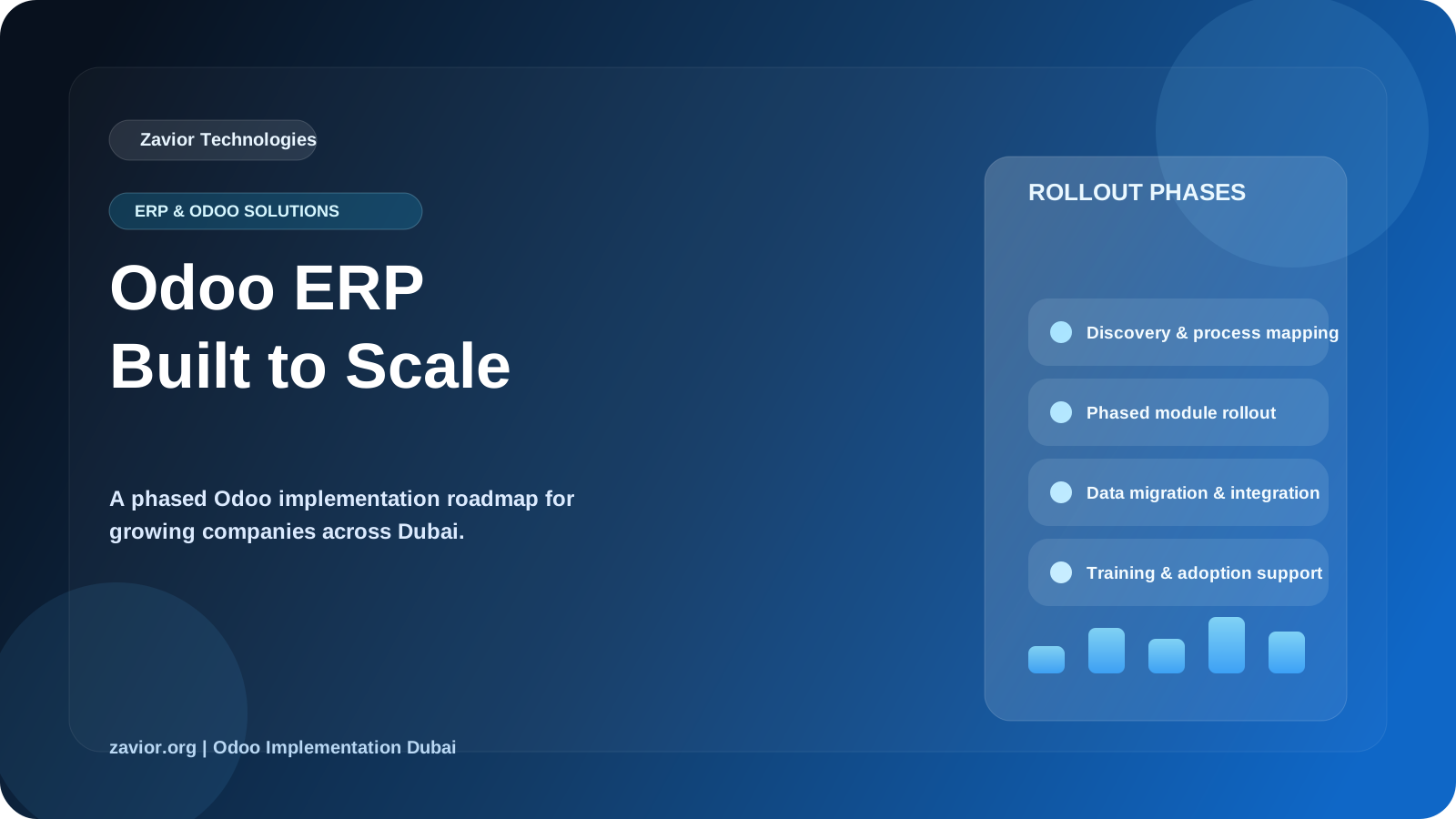
- Phase one: Stabilize the core workflows that create invoices, stock movement, and reporting.
- Phase two: Add integrations, dashboards, approvals, and automation once the foundation is trusted.
- Phase three: Optimize with AI, advanced analytics, and department-specific enhancements.
Conclusion
The best Odoo ERP budget is tied to measurable outcomes: fewer manual reports, cleaner stock visibility, faster invoicing, better sales follow-up, and stronger management control. Start with a practical scope, protect the go-live, and expand once the business is stable.
Planning an Odoo rollout in Dubai? Contact Zavior Technologies for a discovery session focused on your workflow, data, and implementation priorities.